Example report
TSI reading
Risk grade
- What is seen
- Interpretation
- Possible causes
- What to do
- What not to do
- What to check
- What would change the grade
- To grade this, TSI would ask
- Still unknown

Tecto Structural Intelligence
TSI reads photos of visible damage in structures together with engineering context, inspection history and technical knowledge. It reports what it sees, what that may mean and what to do next, and never treats a photo alone as proof that a structure is safe.
From Tecto's Stage 1 research, November 2026. Measured on held-out test sets; not a guarantee for every photo.
Element, material, scale and damage history
Guidance from the US, Japan, Europe and beyond
What it sees, what it may mean, what to do
Every claim traced back to its source
Scale and confidence always shown
Missing context is never guessed
TSI keeps three things apart in everything it produces, so an observation is never mistaken for an engineering conclusion.
What the evidence directly supports.
A diagonal crack is visible on the beam surface, about 1.2 mm wide, subject to scale uncertainty.
What the pattern may fit, given the context.
Its direction may fit a shear-related pattern, but a photo alone can't confirm the cause.
What to consider doing next.
Have a qualified structural engineer inspect the beam, especially if the crack is new or growing.
Pick an example, change what's known about the photo and watch the report change. Less context means fewer conclusions, never more guessing.
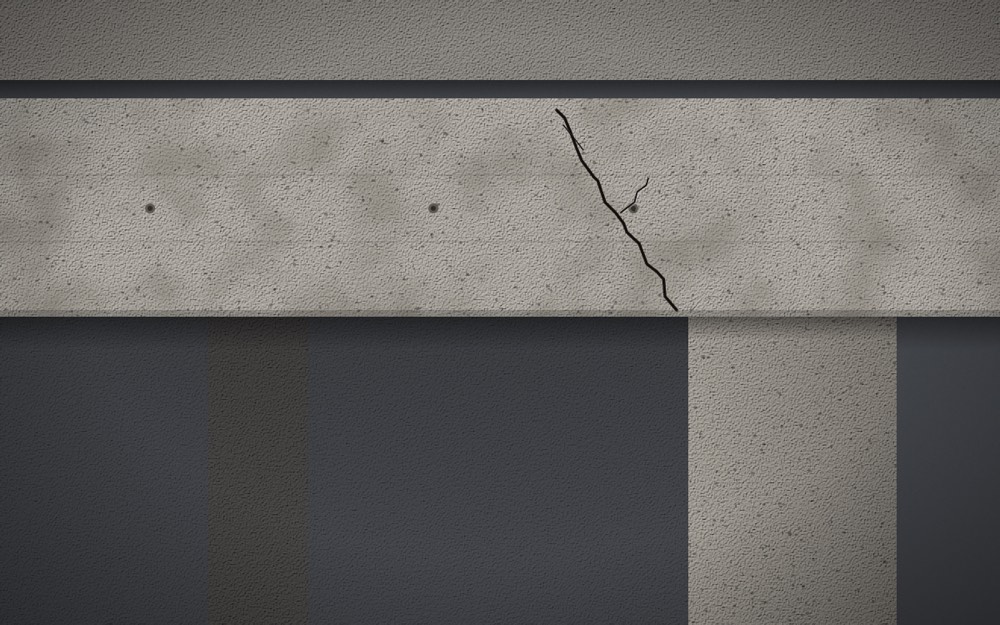
Combinations where this damage doesn't occur are greyed out.
TSI is in research and development; these are the people it is being built for.
Photograph a crack or a damp patch and get a calm, plain explanation of what it may mean and when to call an engineer.
Keep a dated, comparable record of damage across buildings, and see what needs attention first.
Start from structured observations with their sources, so site visits and reports begin a step ahead.
TSI is built for six families of materials. The proof comes one family at a time, starting with concrete; the photo input, grading, recommendations and reports are already built for all six.
Plain, reinforced, prestressed and lightweight
Members, connections and corrosion
Brick, block and stone
Structural timber and joints
Ground, slopes and water around structures
Protective and functional systems
Knowledge comes from guidance and research in the United States, Japan, the European Union, Canada, the United Kingdom, New Zealand and Türkiye, plus international sources.
Working on inspections, structural data or research? We'd like to hear from you.
support@careolimited.com